Why In-Home Care is Preferred Over the Alternatives
January 24, 2026
Nearly 90% of Older Adults Prefer to Age in Place

Why In-Home Care Is Not Only More Desirable—It Can Be More Affordable and Health-Supporting Too
For decades, the default assumption in senior care has been simple: when aging becomes difficult, a facility is the safest and most practical option. Assisted living and nursing homes have long been positioned as the inevitable next step.
But that assumption deserves a closer look.
A growing body of research, combined with real-world family experience, is challenging the idea that institutional care is the most affordable or healthiest solution. In fact, for many seniors, in-home care and aging in place are proving to be the option that best supports health, longevity, dignity—and finances.
The Desire to Stay Home Is Overwhelming
Recent surveys consistently show that over 90% of older adults want to remain in their own homes as they age. This preference isn’t simply emotional—it’s deeply tied to outcomes. Familiar environments reduce stress, support memory retention, and help seniors maintain routines that reinforce independence.
When seniors are moved into unfamiliar settings, especially those with cognitive vulnerability, we often see increased confusion, anxiety, sleep disruption, and behavioral changes. Home, by contrast, offers continuity—and continuity matters.
The Cost Myth: Facilities vs. Flexible Care
One of the most persistent myths is that in-home care is inherently more expensive. In reality, institutional care often comes with bundled, all-inclusive pricing, meaning families pay for services regardless of whether they are used.
In-home care works differently. Care is scalable and needs-based. Families can start with part-time support—help with meals, safety supervision, medication reminders, or companionship—and increase care only as needs evolve. This flexibility often allows families to manage costs more strategically over time.
When comparing long-term expenses, especially for seniors who do not require 24/7 medical supervision, aging in place can be a financially sustainable option.
Health Outcomes Tell a Compelling Story
Health isn’t just about clinical oversight—it’s about environment, social connection, and emotional well-being.
Studies over the past two years have linked aging in place with:
- Lower rates of depression and social isolation
- Reduced hospital readmissions
- Better cognitive engagement
- Higher reported quality of life
Consistent routines, one-on-one attention, and familiar surroundings act as protective factors—particularly for seniors managing chronic conditions or early cognitive decline.
A Shift in Thinking: Person-Centered, Not Place-Centered Care
Perhaps the most important shift is philosophical.
Instead of asking, “Where should care happen?”
We should be asking, “What environment best preserves health, dignity, and independence for this individual?”
For many seniors, the answer is not a building—it’s home, supported by thoughtful, professional care.
The Bottom Line
In-home care is no longer a niche alternative. It is a modern, evidence-supported model of care that aligns with what seniors want, what families need, and what health outcomes increasingly show.
Facilities will always have an important role. But for many aging adults, in-home care is not just more desirable—it’s a smarter, healthier, and often more affordable first choice.
The future of aging isn’t institutional by default.
It’s intentional, individualized, and—more often than not—at home.
Angelic Home Care Solutions is dedicated to helping seniors age safely in place—an approach supported by decades of gerontological research linking in-home care to fewer hospitalizations, reduced fall risk, improved medication adherence, and better overall quality of life when compared to institutional settings. Our leadership team brings direct, hands-on experience working with families navigating complex care decisions and has consistently observed stronger physical stability, emotional well-being, and sustained independence when seniors remain at home with professional support.
To speak with a qualified care professional about evidence-based in-home care options and proactive planning, contact Angelic Home Care Solutions today.
#CompassionateCare #MarylandHomeCare #supportsmallbusinessowners #caregivers #LiveInCare #elderlycare #FamilyCaregiving #homecare #ElderCareSupport #seniorcare #AgingInPlace #HealthyAging #assistedliving #CareThatFeelsLikeFamily #SeniorCareSupport #hospicecare #aging #eldercare #AgingWithJoy #ReduceIsolation #LaughterIsMedicine #homehealthcare #privatehomecare #healthyliving

Originally Published at: https://www.finance.senate.gov/ranking-members-news/wyden-and-warren-demand-answers-from-unitedhealth-group-following-new-reports-of-seniors-dying-in-nursing-homes-after-being-denied-care January 08, 2026 Wyden and Warren Demand Answers from UnitedHealth Group Following New Reports of Seniors Dying in Nursing Homes After Being Denied Care Washington, D.C. – Senate Finance Committee Ranking Member Ron Wyden, D-Ore., and Senator Elizabeth Warren, D-Mass., renewed their investigation into UnitedHealth Group’s (UHG) business practices at nursing homes that work with the company’s subsidiary, Optum, following new, disturbing reports that these practices may have resulted in the deaths of nursing home residents. “Because you have failed to respond adequately to our inquiry – and in light of additional recent reporting – we are renewing our inquiry with heightened alarm,” the senators wrote. “New reporting published December 17, 2025 goes further to spotlight allegations that at least three nursing home residents died as a result of UHG delaying or denying them care. As new reporting alleges shocking harms resulting from the policies in question, we expect you to meet the urgency of our inquiry.” Late last year, news reports revealed new allegations that UHG has denied requests to transfer nursing home residents to the hospital despite signs of life-threatening medical problems. In the follow-up letter, the senators made clear that preliminary responses from the company were inadequate and non-responsive and requested information on the company’s business practices related to: Hospitalization policies Advance directives Marketing practices Federal oversight In August, Wyden and Warren opened their inquiry into UHG’s nursing home business practices, following reporting and whistleblower disclosures alleging that UHG is padding its revenues at the expense of residents living in nursing homes by reducing hospitalizations for enrollees in order to avoid paying for the cost of medically-necessary, and even lifesaving, care. The full letter can be found HERE . -------------------------------------------------------------------- ***Angelic Insight In today’s evolving healthcare landscape, trust is being tested. Recent federal investigations into UnitedHealth Group—including scrutiny from the United States Department of Justice and proposed legislation like the Patients Over Profits Act—have brought national attention to how care is delivered, managed, and, in some cases, monetized. Questions surrounding Medicare billing practices, provider consolidation through subsidiaries like Optum, and the influence of large healthcare systems have sparked an important conversation: Who is truly in control of patient care—and what does that mean for families? The Growing Complexity of Institutional Healthcare Over the past decade, healthcare has become increasingly consolidated. Large organizations now often operate across multiple layers of care—insurance, physician groups, pharmacies, and data systems—all under one umbrella. While integration can create efficiencies, it also introduces risk: Decision-making can become influenced by financial structures rather than individual patient needs Patients and families may feel removed from the care process Transparency becomes harder to navigate Care pathways may be shaped by systems, not relationships The current investigations highlight a deeper concern: when scale increases, personalization can decrease. And for seniors or medically vulnerable individuals, that gap can be significant. Why Aging in Place Offers a Different Model of Care Against this backdrop, aging in place stands apart—not just as a preference, but as a fundamentally different approach to care delivery. At its core, aging in place shifts the center of care back to where it belongs: The individual. Their home. Their choices. 1. Care That Is Personalized, Not Standardized In institutional systems, care often follows protocols designed for efficiency across large populations. At home, care is tailored: Routines are built around the client—not the facility schedule One-on-one attention allows for early detection of subtle changes Care plans evolve in real time, based on actual needs—not system constraints This level of personalization reduces the risk of overlooked symptoms, delayed responses, or generalized care approaches. 2. Greater Transparency and Family Involvement One of the most powerful safeguards in healthcare is visibility. When care happens at home: Families can observe interactions directly Communication is more immediate and consistent There is greater accountability in decision-making You’re not navigating layers of administration—you’re part of the care environment itself. 3. Reduced Exposure to Systemic Risk Large-scale investigations remind us that institutional systems can be impacted by: Policy changes Billing structures Administrative pressures Regulatory actions Aging in place offers insulation from many of these variables. While no care model is entirely immune to external forces, home-based care minimizes reliance on complex institutional frameworks where competing priorities may exist. 4. Preservation of Independence and Dignity Beyond safety, there is a human element that cannot be overlooked. Home is familiar. It’s grounding. It’s personal. Aging in place allows individuals to: Maintain control over their daily lives Stay connected to their environment and memories Experience care as support—not restriction And that emotional stability often translates into better overall health outcomes. A Thoughtful Perspective: Not One-Size-Fits-All, But Often Best-Fit To be clear, aging in place is not the right solution in every situation. There are cases where higher levels of medical care are necessary and appropriate. However, for many families—especially those seeking: Greater involvement More personalized care Increased transparency Reduced exposure to systemic complexity Home-based care is not just an alternative—it’s often the optimal path. What This Moment Means for Families The scrutiny surrounding large healthcare organizations is not just about accountability at the top—it’s a signal for families to become more intentional in how care decisions are made. It invites a shift: From passive acceptance → to informed participation From system-driven care → to person-centered care From uncertainty → to clarity and control As the healthcare landscape continues to evolve, one truth remains constant: The safest, most effective care environments are those where individuals are seen, heard, and prioritized. For many, that place is not inside a system. It’s at home. To download our Family Advocacy Guide, click HERE . SOURCES UnitedHealth Group. (2025, July 24). “UnitedHealth Group responds to Department of Justice investigation.” Retrieved from https://www.unitedhealthgroup.com/newsroom/2025/2025-07-24-uhg-responds-to-doj-investigation.html CNBC. (2025, July 24). “UnitedHealth says it is facing a DOJ investigation over Medicare billing practices.” Retrieved from https://www.cnbc.com/2025/07/24/unitedhealthcare-doj-investigation-medicare-billing.html Congressman Pat Ryan. (2025, September 17). “Congressman Pat Ryan Introduces ‘Patients Over Profits Act’ To Lower Costs and Improve Care Quality.” Retrieved from https://patryan.house.gov/media/press-releases/congressman-pat-ryan-introduces-patients-over-profits-act-lower-costs-and STAT News. (2025, September 17). “Democrats introduce bill to break up health care conglomerates like UnitedHealth Group.” Retrieved from https://www.statnews.com/2025/09/17/unitedhealth-breakup-targeted-new-proposed-law-pat-ryan/ Healthcare Dive. (2024, February 28). “UnitedHealth under antitrust investigation by DOJ.” Retrieved from https://www.healthcaredive.com/news/unitedhealth-antitrust-investigation-doj-unitedhealthcare-optum/708727/ Senator Jeff Merkley. (2025). “Summary of the Patients Over Profits (POP) Act.” Retrieved from https://www.merkley.senate.gov/wp-content/uploads/Patients-Over-Profits-Act-One-Pager.pdf Becker’s Hospital Review. (2025). “The 2025 State of Payer Enrollment and Credentialing.” Retrieved from go.beckershospitalreview.com

On March 24, 2026, the Maryland Office of Health Care Quality reissued critical guidance that directly impacts how healthcare professionals manage discharge planning for vulnerable adults across Maryland. While the core principles of discharge planning are not new, this updated transmittal reinforces a non-negotiable standard that has significant implications for hospitals, nursing homes, home health providers, and referral partners: Verification of licensing is mandatory—not optional. This update is not just regulatory housekeeping. It is a clear directive to strengthen patient safety, reduce risk, and ensure that every post-discharge placement is both appropriate and legally compliant. A Brief Look Back: The Foundation of Discharge Planning For decades, Maryland providers have operated under established discharge planning requirements, including: Assessing patient needs prior to discharge Coordinating post-acute services Ensuring continuity of care Providing proper documentation and instructions Regulations such as COMAR 10.07.01.27 and federal requirements under 42 C.F.R. § 482.43 have long required providers to arrange or assist in arranging appropriate care after discharge. However, this new transmittal highlights a gap that has too often been overlooked: The assumption that receiving providers are properly licensed and qualified. What the New OHCQ Transmittal Requires The updated guidance makes expectations unmistakably clear across multiple care settings: 1. HOSPITALS Discharge planners must: Verify that any assisted living program (ALP), home health agency (HHA), or residential service agency (RSA) is actively licensed Ensure the provider can meet the specific needs outlined in the discharge plan Maintain accountability for safe and appropriate placement 2. NURSING HOMES Social workers and discharge planners are required to: Confirm that transfers are made only to licensed assisted living facilities Ensure the placement is appropriate for the resident’s clinical and functional needs 3. HOME HEALTH & RESIDENTIAL SERVICE AGENCIES Discharge teams must: Verify licensure of HHAs and RSAs before initiating services Align services with the patient’s care requirements, particularly for ADLs and ongoing supervision 4. ASSISTED LIVING REFERRERS All referrers must: Be registered with OHCQ Only refer individuals to licensed assisted living programs A Critical Risk Area: Unlicensed Placements One of the most important aspects of this transmittal is the emphasis on identifying and preventing unlicensed assisted living operations. OHCQ defines these as settings that: House two or more residents Provide supervision, personal care, or health-related services Serve individuals needing assistance with activities of daily living Operate without proper licensure These environments place vulnerable individuals at significant risk—particularly those requiring 24/7 care. Healthcare professionals are now strongly encouraged to: Remain vigilant when evaluating placement options Report suspected unlicensed facilities Utilize the official OHCQ Licensee Directory to confirm compliance Failure to comply with these requirements may result in enforcement actions, including civil monetary penalties. What This Means for Patients and Families For patients and families, this transmittal is ultimately about one thing: Protection. Transitions of care are one of the most fragile points in the healthcare journey. When discharge planning is rushed, incomplete, or based on assumptions, the consequences can include: Hospital readmissions Medication errors Inadequate care Unsafe living environments This updated guidance ensures that families can expect: Greater transparency in placement decisions Safer, verified care environments Stronger coordination between providers Why This Matters When Choosing a Home Care Provider For healthcare professionals, this transmittal reinforces the importance of partnering with agencies that are: - Fully licensed and compliant - Transparent in their credentials - Responsive to communication and care coordination - Aligned with both state and federal regulations - Why Angelic Home Care Solutions Should Be Your Go-To Partner At Angelic Home Care Solutions, we don’t just meet these expectations—we build our entire model around them. 1. Verified Licensing and Full Compliance We are a fully licensed Residential Service Agency (RSA) operating in the following Maryland counties, with strict adherence to OHCQ standards and regulatory requirements: - Prince George's County - Howard County - Anne Arundel County - Montgomery County - Charles County - Baltimore County 2. Rigorous Hiring and Background Checks Every caregiver undergoes a detailed screening process, including background checks through CJIS, ensuring qualified and trustworthy professionals are placed in clients’ homes. 3. Accountability and Immediate Response to Concerns We maintain a zero-tolerance policy for unresolved concerns. Any issue raised by a family, provider, or team member is promptly investigated and addressed. 4. Seamless Discharge Coordination We work directly with: Hospital discharge planners Nursing home teams Case managers and social workers To ensure every transition is s mooth, d ocumented, and a ligned with the patient’s care plan. 5. Safe, Personalized In-Home Care For many patients, home is the safest and most comfortable setting. We provide: Assistance with ADLs Medication reminders Companionship and supervision Flexible care plans tailored to individual needs Final Thoughts: Raising the Standard of Care The March 24, 2026 OHCQ transmittal is more than a regulatory reminder—it is a call to elevate standards across the continuum of care. Verification, accountability, and patient safety are no longer areas for interpretation. They are expectations. For healthcare professionals, this means choosing partners who are not only capable—but compliant. For families, it means asking better questions and expecting better answers. Partner With Confidence If you are a discharge planner, healthcare provider, or family member seeking a licensed, reliable, and highly responsive home care partner in Maryland… Angelic Home Care Solutions is here to support you. Because safe transitions don’t happen by chance— they happen through the right partnerships.
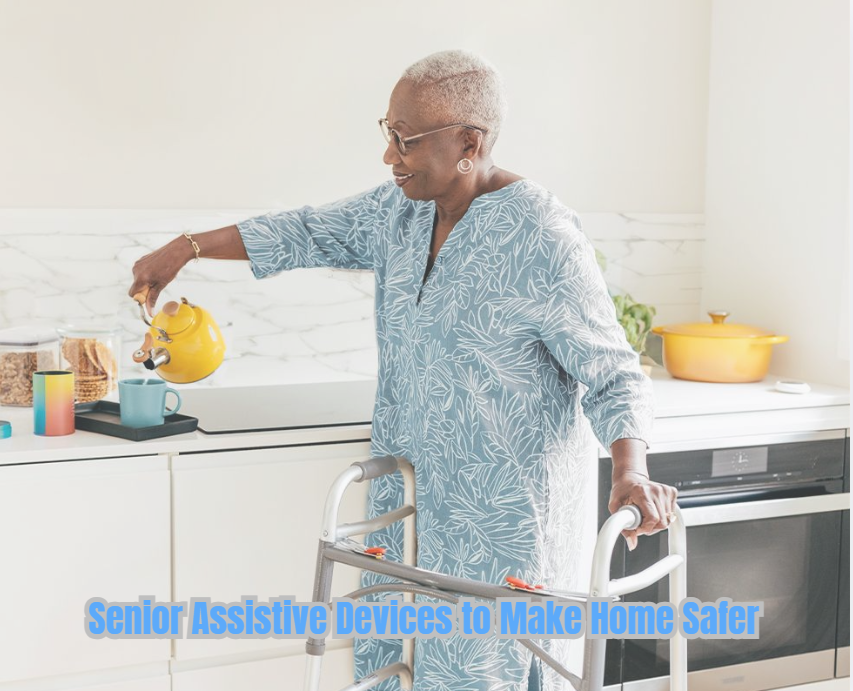
For most older adults, remaining at home is not just a preference — it is a deeply held goal tied to independence, dignity, and emotional well-being. Aging in place allows seniors to stay in familiar surroundings while receiving the support they need as their health and mobility change. According to AARP research, the vast majority of adults over 50 want to remain in their homes long-term. However, doing so safely often requires thoughtful planning, home modifications, and professional in-home care. Angelic Home Care Solutions proudly helps families throughout Maryland make aging in place not only possible, but sustainable and reassuring. What Does Aging in Place Mean? Aging in place refers to the ability to live safely and independently in one’s own home, regardless of age, income, or ability level. This approach emphasizes personalized support, environmental safety, and services that adapt as needs evolve. Benefits of aging in place include: Greater independence and autonomy Familiar surroundings that reduce anxiety and confusion Stronger emotional well-being Lower exposure to infections compared to institutional settings Continued connection to community, neighbors, and family Personalized, one-on-one care With the right support system, many seniors can remain at home far longer than families initially expect. Essential Home Modifications for Senior Safety As balance, strength, vision, or cognition change, everyday tasks can present fall risks or hazards. Strategic home adjustments significantly improve safety and accessibility. Bathroom Safety Improvements Bathrooms are one of the most common locations for falls. Recommended upgrades include: Grab bars near the toilet and inside the shower Raised toilet seats for easier transfers Shower chairs or transfer benches Hand-held shower heads Non-slip mats or flooring Walk-in or low-threshold showers Bedroom Accessibility Supports A safe bedroom environment promotes rest and reduces nighttime fall risk. Helpful additions include: Adjustable beds Bed rails for stability Night lights or motion-activated lighting Over-bed tables for convenience Waterproof mattress protection Mobility & Fall Prevention Equipment Maintaining safe mobility is critical for independence. Common solutions include: Canes, walkers, or rollators Wheelchairs or motorized scooters Lift chairs to assist with standing Ramps for entryways Stair lifts for multi-level homes Secure railings along staircases Kitchen & Daily Living Aids Adaptive tools help seniors continue preparing meals and performing household tasks safely. Consider: Easy-grip utensils and cookware Jar openers and adaptive kitchen tools Automatic shut-off devices for appliances Lightweight dishes and spill-resistant dinnerware Personal Safety & Emergency Systems Technology can provide an extra layer of protection, especially for seniors living alone. Important safety devices include: Wearable medical alert systems Fall detection monitors Medication reminder systems or automated dispensers Large-button or voice-activated phones Signs Your Loved One May Need In-Home Care Even with safety modifications, seniors may begin to struggle with Activities of Daily Living (ADLs). Early support can prevent accidents, hospitalizations, and caregiver burnout. Watch for signs such as: Frequent falls or mobility difficulties Missed medications or confusion about prescriptions Poor hygiene or difficulty bathing Unintentional weight loss or spoiled food in the home Increasing forgetfulness or wandering Social withdrawal or loneliness Difficulty managing household tasks If you notice these changes, professional in-home care can make a meaningful difference. How In-Home Care Supports Aging in Place Professional caregivers provide hands-on assistance while preserving independence and dignity. At Angelic Home Care Solutions, care plans are customized to each client’s needs, preferences, and health conditions. Our services may include: Personal Care Assistance Bathing, grooming, and dressing Toileting and incontinence support Mobility and transfer assistance Household Support Light housekeeping Laundry and linen changes Meal planning and preparation Health & Safety Monitoring Medication reminders Observation for changes in condition Coordination with family members Transportation & Errands Medical appointments Grocery shopping Pharmacy visits Community outings Companionship & Emotional Support Conversation and engagement Cognitive stimulation Assistance with hobbies and activities Reducing isolation and loneliness Respite Care for Family Caregivers Temporary relief for family members Flexible hourly or live-in options Peace of mind during work or travel Why Families in Maryland Choose Angelic Home Care Solutions Families trust Angelic Home Care Solutions because we combine professional expertise with genuine compassion. Our caregivers are carefully screened, trained, and matched to each client to ensure continuity and comfort. We are committed to: Client-centered care plans Reliable, consistent staffing Respect for cultural preferences and routines Clear communication with families Flexible scheduling, including 24/7 care Our mission is simple: help seniors live safely, comfortably, and joyfully at home. Peace of Mind Starts with a Conversation Aging in place does not have to be overwhelming. With the right combination of home modifications, supportive technology, and professional care, your loved one can continue living where they feel most secure. If you are concerned about a parent or family member living alone, early planning can prevent emergencies and improve long-term outcomes. Angelic Home Care Solutions is here to help you navigate every step with confidence and compassion. Frequently Asked Questions About Aging in Place How do I know if my parent can safely live alone? A professional in-home assessment can evaluate mobility, cognition, fall risk, and daily functioning. Is in-home care more affordable than assisted living? For many families — especially those needing part-time support — in-home care can be significantly more cost-effective while allowing seniors to remain at home. Can care be increased over time? Yes. Services are flexible and can evolve as needs change. Serving Families Across Maryland Angelic Home Care Solutions proudly supports seniors and families throughout Maryland with dependable, compassionate in-home care designed to make aging in place safe and successful.

Discover what affects the cost of senior home care and how families can plan for quality, affordable care for their loved ones at home.

Explore trusted senior home care solutions for aging adults. Learn how to find the right in-home support to improve comfort, safety, and independence.

Learn post surgery home care tips for a safe, comfortable recovery at home and how Angelic Home Care Solutions helps support your healing jou